

Two ways to play golf
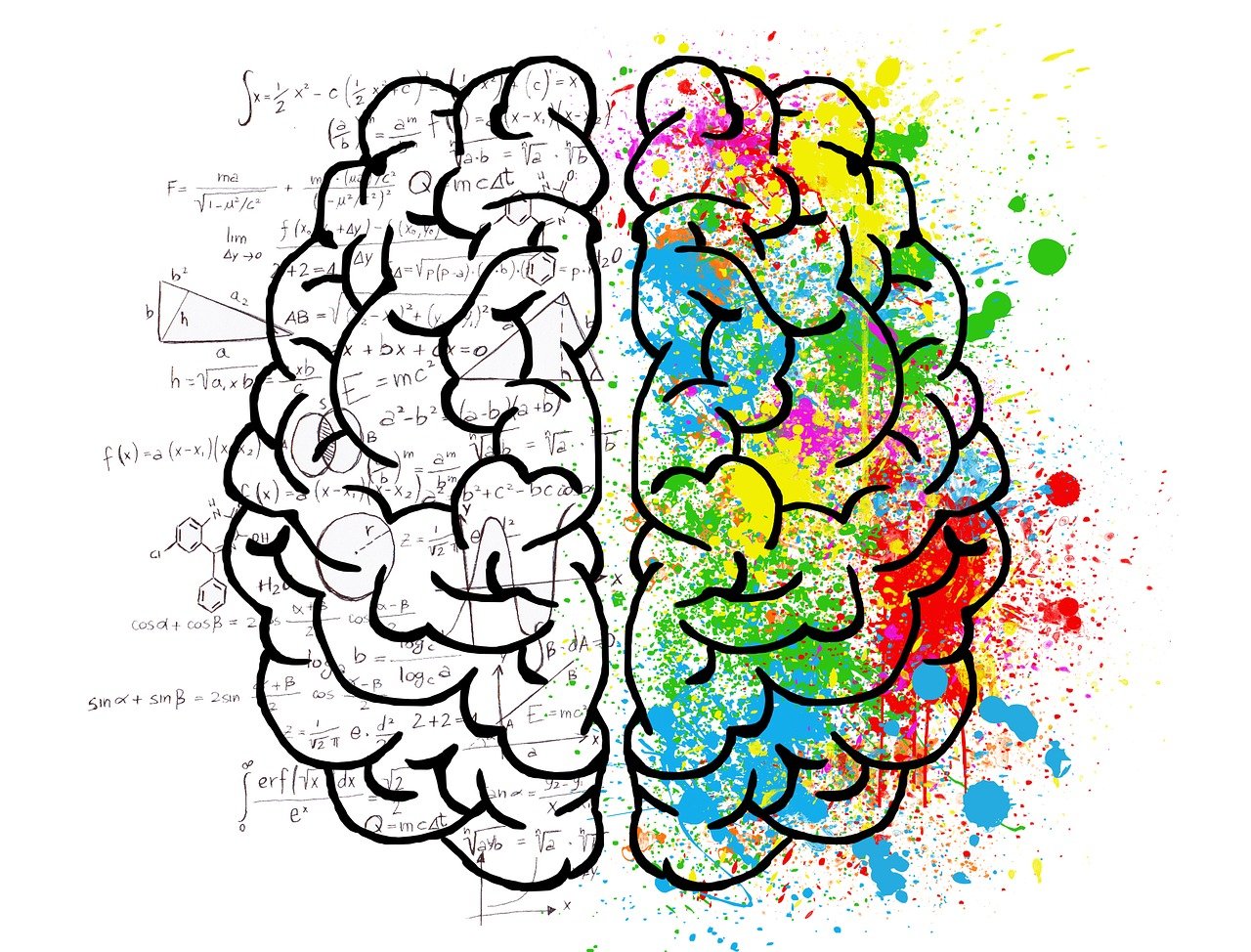
Every golfer uses two systems: the automatic brain and the analytic brain.
Both are important. But they are not meant to be active at the same time.
When they overlap, performance becomes unstable.
The automatic brain
The automatic brain is responsible for movement, timing and coordination. It operates without conscious control and is built over time through experience and repetition.
When you are playing at your best, this is the system in charge.
You are not thinking about the swing. You are not trying to control positions. You see the shot, and the movement organizes itself around that intention.
This is why your best shots feel effortless. Not because you are doing more, but because you are interfering less.
The analytic brain
The analytic brain is responsible for thinking, analyzing and making decisions. It is essential for learning, planning and understanding mistakes.
Without it, there is no development.
But it has a clear limitation.
It is too slow to control movement in real time.
When problems start
Most golfers do not struggle because they lack skill. They struggle because they mix the two systems.
They bring the analytic brain into execution.
Instead of allowing the movement to happen, they try to guide it. They think about positions, adjust during the swing, and attempt to control something that is meant to run automatically.
This is when performance breaks down.
Timing is lost, movement becomes rigid and shots become inconsistent.
The key distinction
The difference between good and poor performance is often not technical.
It is neurological.
It comes down to which system is in control at the moment of execution.
When the automatic system leads, performance feels natural and stable.
When the analytic system takes over, performance becomes forced and unpredictable.

When to use each system
The analytic brain has a clear role. It is where you evaluate your game, make decisions, and develop your skill. It belongs in practice, in reflection, and in preparation.
The automatic brain has a different role. It is responsible for execution. It belongs in the moment of performance.
The problem is not either system on its own.
It is using the wrong system at the wrong time.
The transition point
The most important moment in golf is the transition from thinking to performing.
If the analytic brain remains active too long, it interferes with execution. It introduces control into a movement that depends on timing and coordination.
But when the automatic brain takes over at the right moment, the movement flows. Timing stabilizes. Execution becomes more consistent.
This transition is where performance is either protected or disrupted.
Why this matters
Many players try to fix their swing while they are playing.
But performance does not improve through more thinking.
It improves when the system that is designed to perform is allowed to do its job.
The goal
The goal is not to remove thinking.
It is to understand when to use it — and when to let it go.
Because in the end, you don’t perform what you analyze.
You perform what you allow.